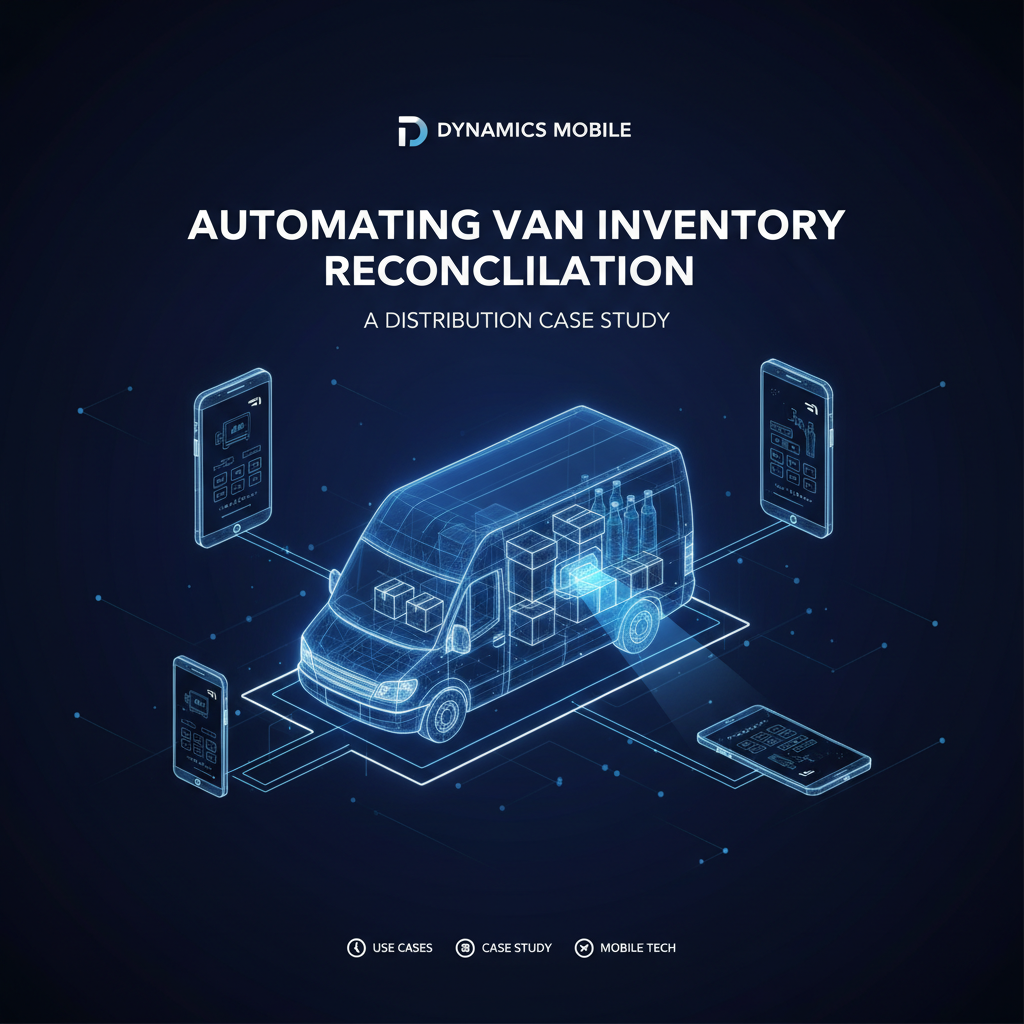
Automating Van Inventory Reconciliation: A Distribution Case Study
For distribution companies managing a mobile workforce, the daily ritual of reconciling inventory in sales or service vans can be a significant drain on resources. Manual processes often lead to inaccuracies, delays, and a lack of real-time visibility, directly impacting profitability and customer satisfaction. This operational bottleneck is particularly acute when dealing with high-value, time-sensitive, or regulated products, where every item counts and discrepancies carry substantial risk.
Company Background
Our subject for this case study is a regional pharmaceutical distributor, a well-established player in its market with a critical role in the supply chain of essential medicines and health products. The company operates a fleet of over 50 vans, facilitating direct store delivery (DSD) to a network of pharmacies, hospitals, and clinics across its service area. The nature of their business demands stringent adherence to regulatory compliance, particularly concerning expiry dates, batch tracking, and storage conditions for high-value and often temperature-sensitive inventory.
The product mix is complex, encompassing hundreds of SKUs, from over-the-counter medications to specialized prescription drugs and medical supplies. This complexity, coupled with the need for precise tracking and reconciliation, made their existing manual processes increasingly unsustainable as the company scaled.
Operational Challenge: The Burden of Manual Van Inventory Reconciliation
Before their digital transformation, the distributor faced significant operational hurdles rooted in their traditional approach to van inventory management. The core challenge revolved around the daily reconciliation of stock carried by each field vehicle:
- Paper-Based Processes: Drivers relied on paper-based van inventory sheets to record all movements – products loaded, items sold, returns accepted, and transfers made. This manual documentation was prone to human error, legibility issues, and time-consuming data entry.
- Time-Consuming Reconciliation: Each day, upon a driver's return to the depot, a dedicated team member, sometimes the driver themselves, would manually compare the physical stock in the van against the paper records and attempt to reconcile these figures with the company's core ERP, Microsoft Dynamics 365 Business Central. This process typically consumed 2-3 hours per van, per day, leading to significant unproductive time for both drivers and depot staff.
- High Error Rates and Discrepancies: The manual nature of the process inevitably led to high error rates in stock counts, inaccurate recording of product transfers between vans, and mismanaged returns. These inaccuracies created a constant disconnect between the actual stock in the vans and the inventory records within Dynamics 365 Business Central.
- Lack of Real-Time Visibility: Managers lacked real-time insight into the exact stock levels on each van. This visibility gap made it difficult to respond to urgent customer requests, optimize stock allocation, or identify potential issues like expiring products before they became write-offs.
- Impact on Business Operations: The cumulative effect was substantial: frequent order fulfillment errors, increased instances of stockouts on routes (as drivers might not know what was truly available), and a higher rate of inventory write-offs due to lost, misplaced, or expired products that weren't tracked effectively.
Operational Transformation: Digitizing Van Inventory with Dynamics Mobile
Recognizing the critical need for change, the pharmaceutical distributor embarked on a strategic initiative to digitize their field operations, specifically targeting the van inventory reconciliation process. They implemented Dynamics Mobile, an enterprise mobile workforce management platform designed for seamless integration with Microsoft Dynamics 365 Business Central.
The transformation involved equipping all field teams with rugged Android and iOS mobile devices running the Dynamics Mobile application. The core changes to the workflow included:
- Real-Time Van Inventory Management: Drivers now utilize the mobile application to manage their van inventory in real-time. Upon loading, each item is scanned, instantly updating the van's digital stock count.
- Barcode Scanning for All Movements: Every inventory movement – loading from the warehouse, sales to customers, transfers to other vans, and returns to the depot – is now captured via barcode scanning. This eliminates manual data entry errors and ensures precise tracking of individual items.
- Automated Reconciliation Processes: The Dynamics Mobile platform automates the reconciliation process. When a driver completes their route and returns to the depot, the system automatically compares the physical scans of remaining stock with the recorded transactions, instantly highlighting any discrepancies. This eliminates the laborious 2-3 hour manual check.
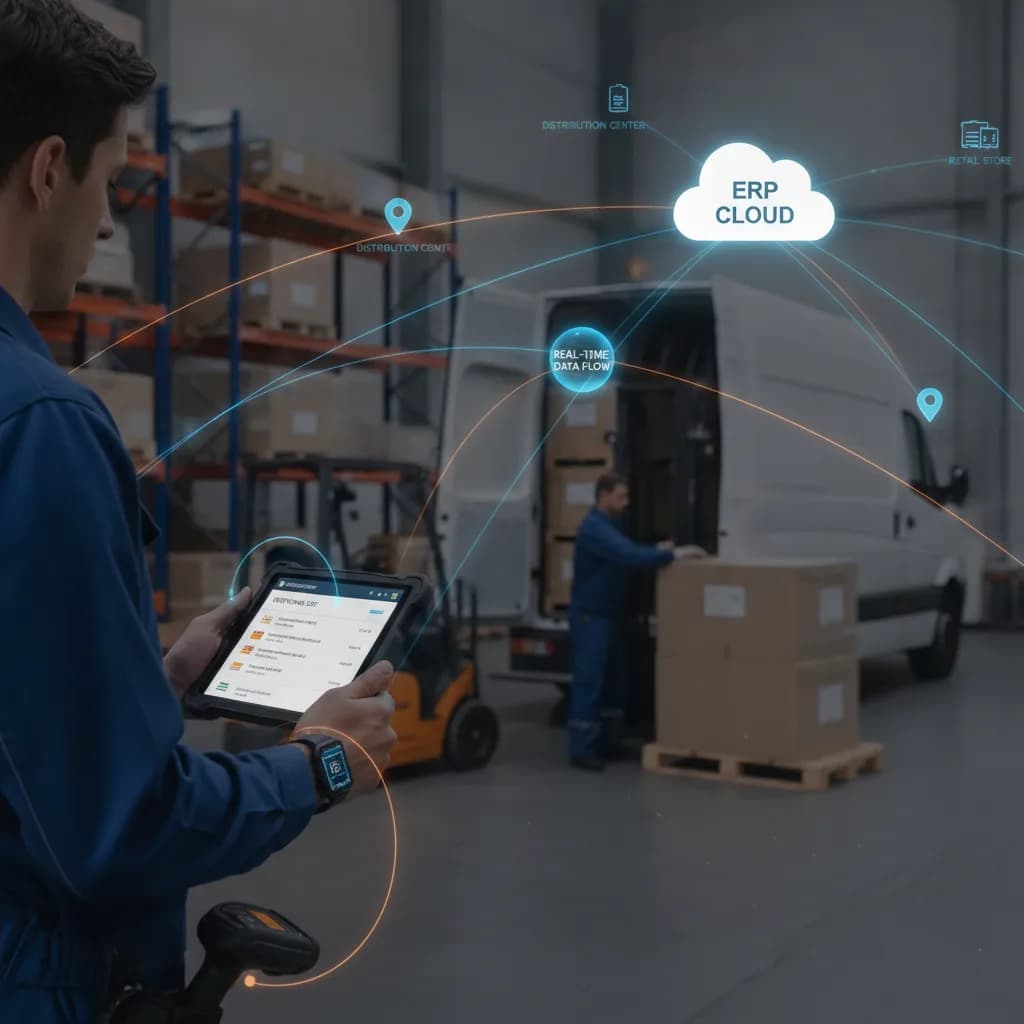
- Real-Time Synchronization with Dynamics 365 Business Central: All van inventory data, including sales, returns, and transfers, is synchronized in real-time with the central Microsoft Dynamics 365 Business Central system. This ensures that the ERP always reflects accurate, up-to-the-minute stock levels, both in the warehouse and on the vans.
- Digital Proof of Delivery and Return: The system also facilitates digital capture of proof of delivery and return, including signatures and photographic evidence if necessary, enhancing audit trails and reducing disputes.
Implementation Approach: A Phased Rollout for Seamless Adoption
The successful adoption of a new system by a mobile workforce is crucial. The distributor approached the implementation of Dynamics Mobile with a structured, phased methodology:
- Pilot Program: The project commenced with a pilot program involving a select group of experienced drivers and depot staff. This allowed for real-world testing, identification of potential issues, and gathering initial feedback without disrupting the entire operation.
- Comprehensive Training: Following the pilot, comprehensive training sessions were conducted for all field teams. The training was highly practical, emphasizing hands-on use of the mobile devices and the Dynamics Mobile application, addressing common scenarios and user questions.
- Iterative Feedback Loop: An iterative feedback loop was established, allowing drivers and depot staff to provide ongoing input. This feedback was crucial for refining the system, making minor adjustments to workflows, and ensuring the application was intuitive and efficient for end-users.
- Cross-Functional Collaboration: Close collaboration between the company's IT department, Operations managers, and the Dynamics Mobile implementation team was maintained throughout the project. This ensured that the technical integration with Dynamics 365 Business Central was robust and that the new workflows met operational requirements.
- User-Friendly Interface Focus: A strong emphasis was placed on the user-friendly interface of Dynamics Mobile to minimize disruption to daily routines and accelerate user adoption, fostering a sense of ownership among the field teams.
Operational Results: Tangible Gains in Efficiency and Accuracy
The implementation of Dynamics Mobile brought about a profound and measurable transformation in the pharmaceutical distributor's operations:
- Significant Time Savings: The most immediate impact was the dramatic reduction in daily van inventory reconciliation time. What once took 2-3 hours per van was reduced to approximately 30-45 minutes, representing a time saving of 70-80%. This freed up valuable driver and depot staff time for core tasks.
- Improved Inventory Accuracy: Van inventory accuracy, previously estimated to be around 85% due to manual errors, surged to over 98%. This near-perfect accuracy virtually eliminated discrepancies between physical stock and system records.
- Reduced Discrepancies and Write-offs: The enhanced accuracy and real-time tracking led to a decrease in stock discrepancies and associated write-offs (due to expiry, loss, or damage) by an estimated 25-30%. This directly impacted the company's bottom line.
- Enhanced Real-Time Visibility: Logistics managers gained unprecedented real-time visibility into the exact stock levels on every van. This enabled more proactive decision-making regarding stock allocation, route adjustments, and urgent order fulfillment.
- Faster Order Fulfillment and Fewer Stockouts: With accurate, real-time inventory data, drivers could confidently fulfill orders, leading to faster fulfillment cycles and a significant reduction in stockouts on routes.
- Administrative Cost Savings: The elimination of paper-based processes not only improved data integrity but also led to administrative cost savings associated with printing, storage, and manual data entry.
“The shift from manual, paper-based reconciliation to a fully digitized process with Dynamics Mobile didn't just save us time; it fundamentally changed how we manage our mobile inventory. The real-time accuracy and visibility we gained are invaluable for a business like ours, where every product counts and compliance is paramount.”
Operational Takeaway: The Strategic Value of Integrated Mobile Inventory
This case study from a regional pharmaceutical distributor underscores several critical lessons for any distribution company operating a mobile workforce, especially those leveraging Microsoft Dynamics 365 Business Central or Finance & Operations:
- Bridging the Data Gap: Mobile technology is critical for bridging the data gap between field operations and core ERP systems. Dynamics Mobile provided the essential link, ensuring that the insights from the field were immediately reflected in Dynamics 365 Business Central.
- Empowering Field Teams: Automating inventory reconciliation frees up valuable driver and depot staff time, allowing them to focus on higher-value tasks such as customer service, sales, or more efficient route execution, rather than administrative overhead.
- Data-Driven Decision Making: Real-time, accurate inventory data empowers managers to make better, more informed decisions regarding stock allocation, demand forecasting, and route planning, leading to optimized operations and reduced waste.
- Scalability and Compliance: For industries with complex inventory and strict regulatory requirements, an integrated mobile solution offers the scalability and robust audit trails necessary to maintain compliance and support growth.
The journey of this pharmaceutical distributor demonstrates that investing in intelligent mobile workforce management solutions, seamlessly integrated with your ERP, is not just about efficiency; it's about achieving operational excellence, reducing risk, and driving tangible ROI.
Explore how Dynamics Mobile can streamline your field operations and integrate seamlessly with your Microsoft Dynamics 365 environment to achieve similar operational efficiencies.