FMCG Field Sales Productivity: Best Practices for Regional Managers
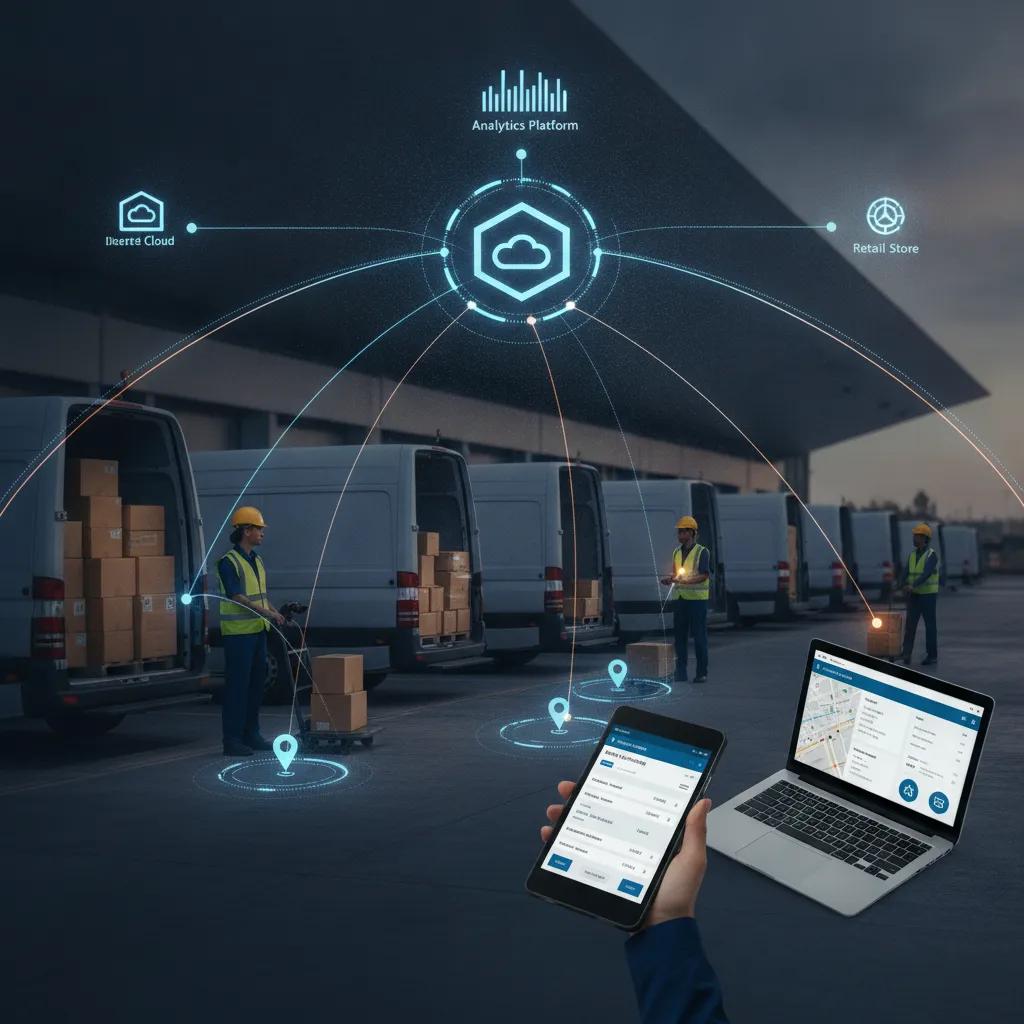
Regional Sales Managers in the Fast-Moving Consumer Goods (FMCG) sector face a relentless challenge: driving consistent growth from a dynamic, distributed team. The pressure to increase sales volume, expand market share, and ensure impeccable in-store execution is constant. Yet, many teams grapple with inefficiencies rooted in outdated processes, fragmented data, and a lack of real-time visibility. This guide outlines practical best practices to empower your direct sales force, optimize operations, and unlock significant productivity gains.
Data-Driven Territory & Route Optimization: The Foundation of Efficiency
Common Mistake: Many FMCG companies still rely on static territories, historical sales figures alone, or even a regional manager’s “gut feeling” to design sales routes. This often leads to inefficient travel patterns, unbalanced workloads, missed customer visits, and ultimately, lost sales opportunities.
Best Practice: Implement dynamic territory management and route optimization tools that leverage a rich tapestry of data. This includes historical sales performance, customer visit frequency requirements, geographic location data, traffic patterns, and even competitor presence. The goal is to create optimized routes that maximize selling time and minimize windshield time.
“Optimized routing isn't just about saving fuel; it's about giving your reps more time in front of customers, which directly translates to more sales opportunities.”
Operational Example: Instead of simply assigning territories by postcode, a regional manager uses a system to rebalance territories based on customer potential, sales rep capacity, and visit frequency targets. The system then automatically generates optimized daily routes that consider travel time, visit duration, and specific customer requirements, ensuring that high-value accounts are prioritized and visited regularly, while smaller accounts are still efficiently covered. This proactive approach ensures equitable workload distribution and maximizes market penetration.
Recommendation: Prioritize solutions that integrate seamlessly with your Customer Relationship Management (CRM) and Enterprise Resource Planning (ERP) systems. This provides a holistic view of customer data, order history, and sales potential, which is crucial for intelligent planning and execution.
Empowering Field Reps with Real-time Mobile Tools
Common Mistake: Field sales reps are often bogged down by manual order taking, delayed reporting, and a frustrating lack of real-time information regarding inventory, pricing, or customer history while they are at a store. This leads to errors, missed sales, and a poor customer experience.
Best Practice: Equip your direct sales teams with robust, intuitive mobile sales applications. These applications should be designed for an offline-first mobile execution model, ensuring full functionality even in areas with poor or no connectivity. Key capabilities include instant order capture, real-time inventory checks (if integrated with warehouse systems), access to customer purchasing history, digital product catalogs, and promotional material.
Operational Example: A sales rep visiting a small convenience store can instantly check the current stock levels of a popular beverage SKU directly on their tablet. If a promotional price is running, the system automatically applies it. The order is captured digitally, validated immediately, and transmitted to the back office the moment connectivity is restored. This prevents backorders, ensures accurate pricing, and significantly improves customer satisfaction and order fulfillment speed. Solutions like Dynamics Mobile are specifically designed to provide this level of real-time, offline-capable mobile empowerment for field teams.
Recommendation: Focus on user-friendly interfaces that minimize training time and maximize adoption among a diverse field team. The easier the tool is to use, the more consistently your reps will leverage its full capabilities.
Beyond the Sale: Merchandising, Compliance & Market Intelligence
Common Mistake: Many FMCG companies overlook the critical importance of in-store execution. This includes inconsistent brand presence, poor planogram compliance, and failing to capture valuable competitive insights directly from the point of sale. This leads to lost shelf space, reduced brand visibility, and missed opportunities to react to market changes.
Best Practice: Integrate mobile capabilities that extend beyond just order taking. Your field sales application should enable reps to perform merchandising compliance checks (e.g., photo capture of shelf displays, planogram verification), complete structured surveys about store conditions, and gather competitive intelligence (e.g., competitor pricing, new product launches). This transforms your sales reps into valuable data collection agents.
Operational Example: A rep at a supermarket documents the adherence to a promotional display for a new snack product, taking photos through their mobile device to confirm correct placement and pricing. Simultaneously, they can record the pricing of a competitor's similar product and note any new product introductions. This structured data provides actionable insights to marketing, product development, and pricing teams, allowing for quick adjustments and strategic responses.
Recommendation: Ensure your mobile tools allow for structured data capture with predefined fields and photo/video capabilities. This makes field observations quantifiable, reportable, and easily integrated into broader business intelligence efforts.
The Manager's Edge: Coaching, Analytics & Performance Management
Common Mistake: Reactive management, subjective coaching based on anecdotal evidence, and a lack of objective, real-time performance metrics for individual reps and the entire team. This prevents targeted intervention and consistent performance improvement.
Best Practice: Leverage operational analytics dashboards to gain deep insights into rep activities and performance. Monitor metrics such as visit compliance, actual vs. planned visit duration, order value trends, SKU penetration, new customer acquisition, and merchandising task completion. This data-driven approach enables regional managers to identify training gaps, celebrate successes, and provide targeted, objective coaching.
“Data-driven coaching transforms a manager from a taskmaster into a strategic mentor, fostering growth and accountability.”
Operational Example: A regional manager reviews the dashboard and notices a particular rep consistently has shorter-than-average visit durations at certain store types but high order values. This might indicate efficient selling, or perhaps rushed visits missing cross-selling opportunities. The manager then uses this data to initiate a coaching conversation, focusing on optimizing visit strategy rather than just sales numbers. Conversely, if a rep has long visit durations but low order values, coaching might focus on improving sales techniques or prioritizing high-potential products.
Recommendation: Implement performance tracking that goes beyond just sales numbers. Include operational metrics like visit compliance, data accuracy, merchandising adherence, and time management. This provides a holistic view of rep productivity and areas for development.
Bridging the Gaps: Seamless Integration with Back-Office Systems
Common Mistake: Disconnected systems are a persistent challenge. Manual data entry, data silos between field sales and back-office operations, and delays in order fulfillment, invoicing, and inventory updates cripple efficiency and lead to errors. This creates friction across the entire supply chain.
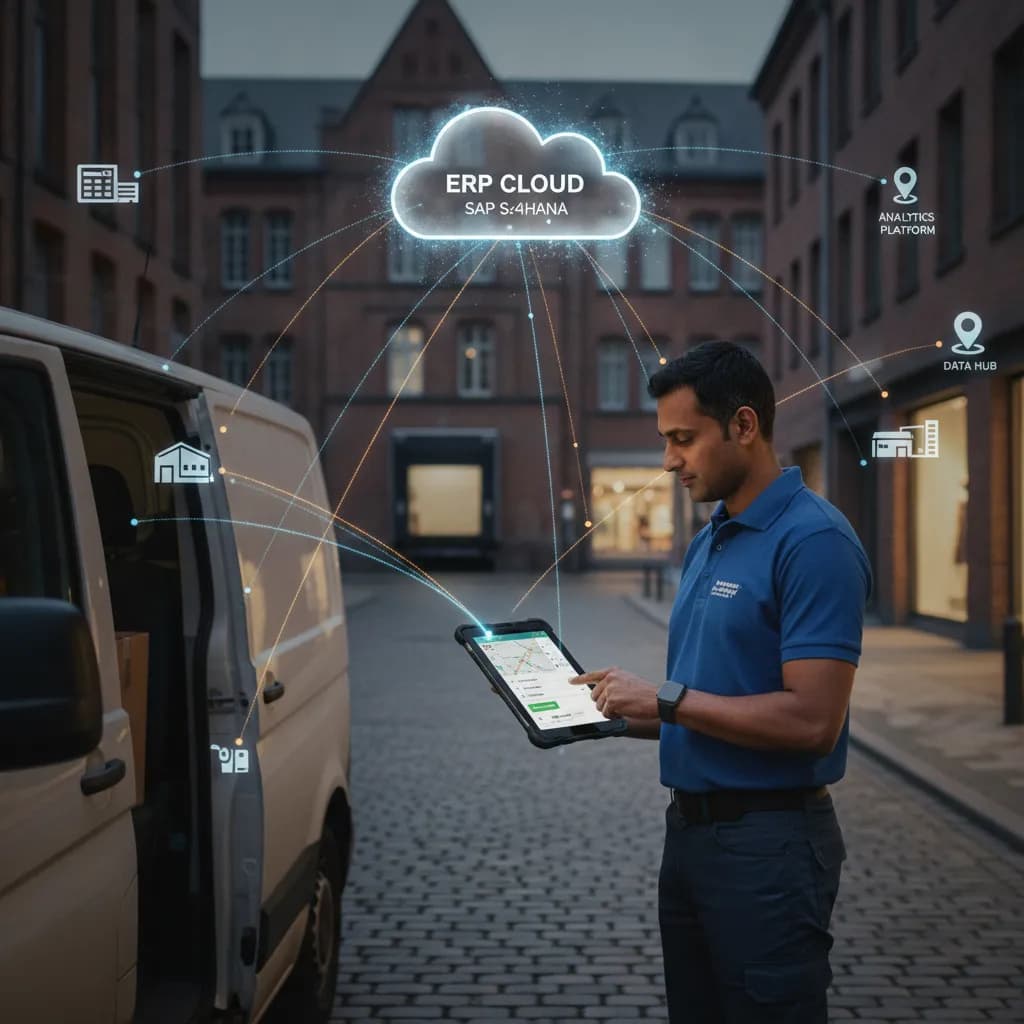
Best Practice: Ensure your field sales solution integrates seamlessly with your core ERP system, such as Microsoft Dynamics 365 Business Central or Finance & Operations, and other critical back-office applications. This creates a single source of truth, automates data flow, and streamlines end-to-end processes.
Operational Example: An order placed by a field rep through their mobile device automatically flows into the ERP system. This triggers immediate inventory allocation, updates customer accounts, initiates the invoicing process, and schedules delivery. This eliminates manual re-entry, reduces errors, accelerates the order-to-cash cycle, and provides real-time inventory visibility to both sales and warehouse teams. The result is faster fulfillment and happier customers.
Recommendation: Prioritize solutions built specifically for deep ERP integration. This ensures that field operations are not isolated but are a fully integrated extension of your overall business processes, enabling true operational compliance and efficiency across the organization.
Transforming FMCG field sales productivity isn't about working harder; it's about working smarter. By embracing data-driven decision-making, empowering your direct sales team with advanced mobile tools, focusing on in-store execution, leveraging analytics for targeted coaching, and ensuring seamless integration with your back-office systems, regional managers can unlock unprecedented levels of efficiency and growth. These best practices move beyond traditional sales methods, positioning your team for success in a competitive market.
Ready to transform your FMCG field sales operations? Explore how integrated mobile workforce management solutions can empower your regional managers and direct sales teams for unparalleled productivity and growth.