7 Practical Route Optimization Mistakes Beverage Distributors Must Avoid

In the fast-paced world of beverage distribution, every minute and every mile counts. While the promise of route optimization is clear – reduced fuel costs, improved delivery times, and higher customer satisfaction – many operations fall short. Often, the disconnect lies not in the desire for efficiency, but in overlooking crucial, real-world operational nuances. For operations managers in beverage distribution, understanding and avoiding these common pitfalls is the difference between a theoretically perfect plan and a practically profitable execution.
1. Overlooking Real-World Operational Constraints
Many route optimization solutions excel at finding the shortest path between points. However, real-world beverage distribution is rarely about the shortest path. It's about navigating a complex web of restrictions:
- Tight Delivery Windows: Bars, restaurants, and retail stores often have specific, non-negotiable windows for deliveries, especially during peak hours or for large orders. Missing these can mean a re-delivery or a lost sale.
- Vehicle Capacity & Type: Beyond just volume, consider weight limits for cases and kegs, refrigeration requirements, and whether a vehicle can even access a specific loading dock or tight city street.
- Driver Needs: Mandated driver breaks, hours-of-service regulations, and even basic needs like restroom access must be factored in for driver well-being and compliance.
- Customer-Specific Requirements: Some customers require pallet jack access, specific entry points, or particular personnel to receive deliveries. Ignoring these can lead to significant delays on site.
Practical Insight: A route that looks optimal on a map but fails to account for a restaurant's 'no deliveries between 12-2 PM' rule or a driver's legal break is not an optimized route at all. It's a recipe for frustration and inefficiency.
2. Relying on Static Data in a Dynamic World
The road network, customer locations, and traffic conditions are constantly changing. Relying on outdated or static data for route planning is like navigating with an old paper map:
- Outdated Customer Information: Incorrect addresses, new delivery instructions, or changed contact details can lead to wasted time and failed deliveries.
- Stale Road Network Data: New road construction, temporary closures, or permanent changes to routes can render pre-planned paths inefficient or impossible.
- Ignoring Real-Time Dynamics: Live traffic congestion, unexpected accidents, adverse weather conditions, or even major public events can throw a well-planned route into disarray.
Recommendation: Embrace solutions that integrate real-time traffic data, weather forecasts, and allow for dynamic updates to customer profiles and road networks. This ensures your routes are informed by the present, not just the past.
3. Disconnecting Route Planning from Field Execution
A beautifully optimized route plan in the back office is useless if the drivers in the field cannot effectively execute it. The gap between planning and execution is a common failure point:
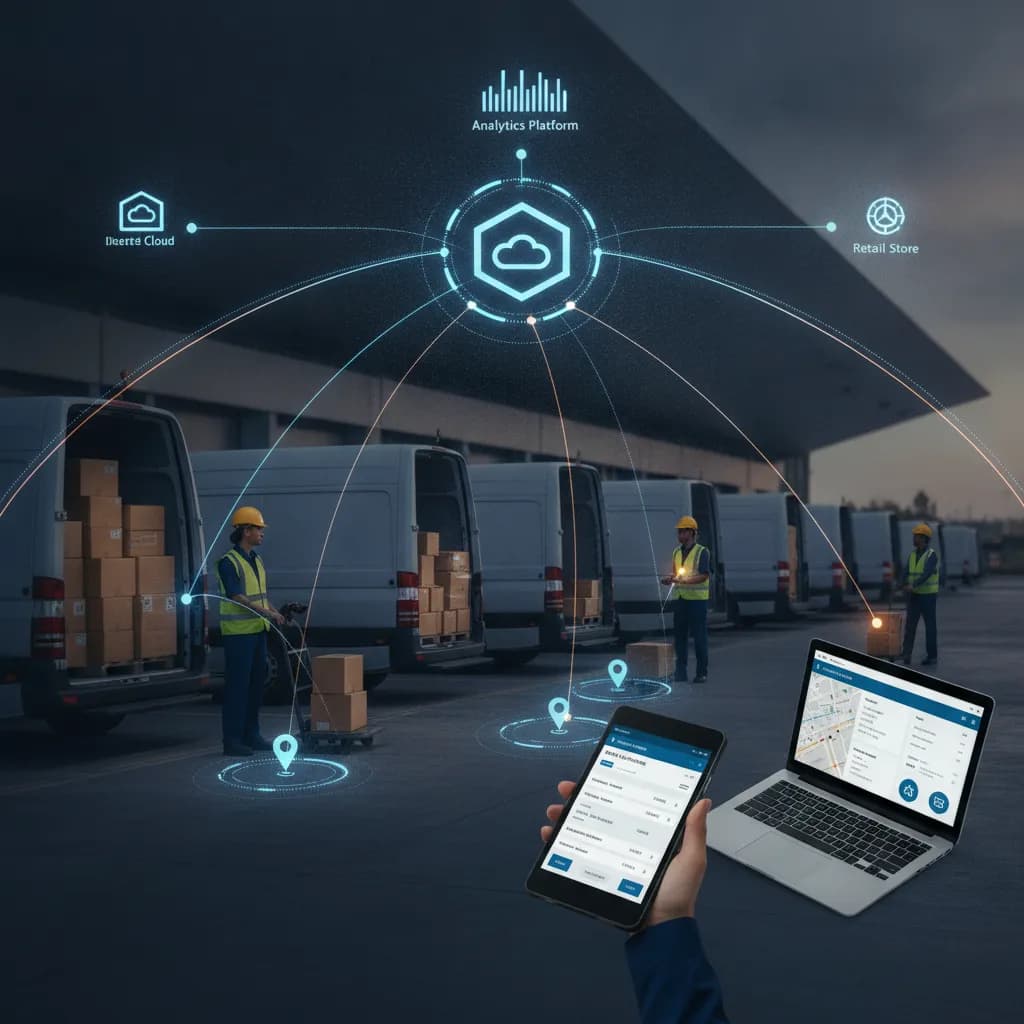
- Lack of Mobile Guidance: Drivers need intuitive mobile tools that provide turn-by-turn navigation, updated delivery sequences, and clear instructions for each stop.
- Ineffective Proof of Delivery (POD): Without mobile capabilities to capture electronic signatures, photos, or note exceptions, the planning team lacks critical feedback on delivery success.
- Delayed Exception Reporting: When a driver encounters an issue (e.g., customer closed, product unavailable, access denied), the inability to report it in real-time prevents quick adjustments and resolution.
What Good Looks Like: Integrated mobile workforce management solutions bridge this gap, ensuring drivers have the necessary tools to follow optimized routes, capture DSD data, and communicate effectively with the back office.
4. Ignoring the Human Element: Driver Feedback and Training
Your drivers are your eyes and ears on the ground. Failing to leverage their experience and ensure their proficiency with new tools is a critical oversight:
- Neglecting Driver Insights: Experienced beverage drivers know local nuances – the best time to approach a tricky alley, the most efficient way to offload a specific order, or the specific quirks of a customer. Their feedback is invaluable for refining routes.
- Insufficient Training: Implementing new routing software or mobile devices without comprehensive training can lead to resistance, errors, and a reversion to old, inefficient habits.
Lesson Learned: Involve drivers early in the process. Solicit their input, address their concerns, and invest in thorough, ongoing training. Driver buy-in is paramount for successful route adherence and overall operational efficiency.
5. Siloing Route Optimization from Inventory and Sales
For beverage distributors, route optimization is not a standalone function. It must be tightly integrated with your broader ERP ecosystem, especially inventory and sales:
- Misaligned Inventory: Planning a route to deliver 20 cases of a popular craft beer only to find out it's out of stock in the warehouse leads to missed deliveries, frustrated customers, and wasted driver time.
- Sales Order Changes: Last-minute additions or cancellations to sales orders must immediately reflect in route plans to avoid unnecessary stops or incomplete deliveries.
- Returns Management: Efficiently planning for the pickup of empty kegs or returned products is as crucial as planning deliveries, impacting vehicle capacity and route efficiency.
Implementation Consideration: True optimization requires real-time visibility and integration between your route planning system, DSD operations, warehouse management, and your core ERP (like Microsoft Dynamics 365 Business Central or Finance & Operations).
6. Neglecting Continuous Performance Measurement and Analysis
The journey to optimal routes doesn't end after the initial planning. Without robust analytics, you're flying blind:
- Lack of Key Metrics Tracking: Are you measuring on-time delivery rates, actual vs. planned mileage, average service time per stop, fuel consumption, or driver productivity?
- Absence of Post-Route Analysis: Regularly reviewing completed routes against planned routes helps identify bottlenecks, inefficient stops, and areas for improvement.
- Ignoring Customer Feedback: Are customers consistently complaining about late deliveries or specific delivery issues? This data is crucial for refining routes and service levels.
Practical Recommendation: Implement a system that provides clear operational analytics and reporting. This data-driven approach allows you to continuously refine your routing algorithms and operational processes.
7. Adopting a 'Set It and Forget It' Mentality
Route optimization is an ongoing process, not a one-time project. The beverage distribution landscape is constantly evolving:
- Changing Customer Demands: New customers, seasonal fluctuations (e.g., summer beer sales, holiday wine orders), or evolving delivery frequency requirements.
- Evolving Market Conditions: New competition, changes in product availability, or shifts in consumer preferences.
- Fleet Composition Changes: Adding new vehicles, retiring old ones, or modifying vehicle types impacts capacity and routing possibilities.
- Product Portfolio Updates: Introducing new beverages or discontinuing others affects inventory, order sizes, and delivery logistics.
Operational Takeaway: Regularly review and re-optimize your routes. Schedule periodic deep-dives into your operational data and be prepared to adapt your strategies to maintain peak efficiency and responsiveness.
Avoiding these seven common mistakes will significantly enhance the efficiency and profitability of your beverage distribution operations. It requires a holistic approach that combines advanced technology with real-world operational understanding and continuous improvement. To learn how Dynamics Mobile can help your beverage distribution operation overcome these challenges with integrated route optimization, DSD, and mobile workforce management built on Microsoft Dynamics 365, visit our website or request a demo today.