AI for Optimal Fleet Utilization: A How-To Guide for Fleet Directors
In today's competitive landscape, fleet directors face immense pressure to do more with less. Underutilized vehicles aren't just parked assets; they're capital drains, representing missed revenue opportunities, unnecessary depreciation, and inflated operational costs. The promise of artificial intelligence (AI) isn't just about futuristic automation; it's about providing concrete, actionable insights right now to transform your fleet from a cost center into a strategic advantage, ensuring every mile driven and every hour on the road contributes directly to your bottom line.
The Utilization Imperative: Why Every Mile Counts
Vehicle utilization goes far beyond simply tracking mileage. It’s a comprehensive measure of how effectively your fleet assets are deployed and performing against their potential. A truly optimized fleet minimizes idle time, reduces empty backhauls, and consistently meets service windows, translating directly into enhanced profitability and a stronger competitive edge in transportation and logistics.
Consider the hidden costs of underutilized assets:
- Excessive Idle Time: Fuel waste, engine wear, and lost productivity for drivers.
- Empty Backhauls: Vehicles returning to base without cargo, a significant drain on efficiency, especially for DSD (Direct Store Delivery) or last-mile logistics.
- Suboptimal Routing: Longer routes than necessary, leading to increased fuel consumption, driver hours, and delayed deliveries.
- Missed Service Windows: Inefficient scheduling leading to late deliveries or service appointments, impacting customer satisfaction and potentially incurring penalties.
- Unplanned Downtime: Vehicles out of service due to unexpected breakdowns, disrupting schedules and requiring costly reactive maintenance.
Maximizing asset efficiency isn't merely about cutting costs; it's about unlocking the full revenue potential of your fleet, improving customer service, and building a resilient supply chain.
Beyond Telematics: How AI Elevates Fleet Intelligence
While traditional telematics and GPS tracking provide valuable data on vehicle location, speed, and basic operational metrics, AI takes this a significant step further. AI transforms raw data into predictive and prescriptive insights, moving beyond 'what happened' to 'what will happen' and 'what should we do about it.'
Key AI capabilities for fleet management include:
- Predictive Analytics: Forecasting future events, such as potential equipment failures, fluctuations in demand, or traffic congestion patterns.
- Machine Learning (ML): Identifying complex patterns and anomalies in vast datasets that human analysis might miss, continuously learning and refining its understanding of operational dynamics.
- Prescriptive Optimization: Recommending specific, actionable decisions to achieve desired outcomes, such as optimal routes, best times for maintenance, or ideal load configurations.
AI bridges the gap between raw operational data and actionable, real-time insights. For a fleet director, this means moving from reactive problem-solving to proactive, data-driven decision-making, ensuring resources are always deployed optimally.
A Practical Roadmap: Implementing AI for Utilization Gains
Implementing AI in fleet operations doesn't require a complete overhaul overnight. It’s a strategic, step-by-step process focused on measurable improvements.
Step 1: Data Foundation & Integration
The success of any AI initiative hinges on the quality and accessibility of your data. This is where your existing systems become invaluable assets.
- Identify Essential Data Sources:
- Telematics Data: GPS location, speed, harsh braking, idle time, engine diagnostics.
- ERP Data (Microsoft Dynamics 365 / Business Central): Sales orders, customer locations, inventory levels, pricing, historical delivery data, vehicle master data.
- External Data: Real-time traffic, weather forecasts, road closures, public holidays.
- Operational Data: Driver hours, delivery times, service schedules, maintenance logs.
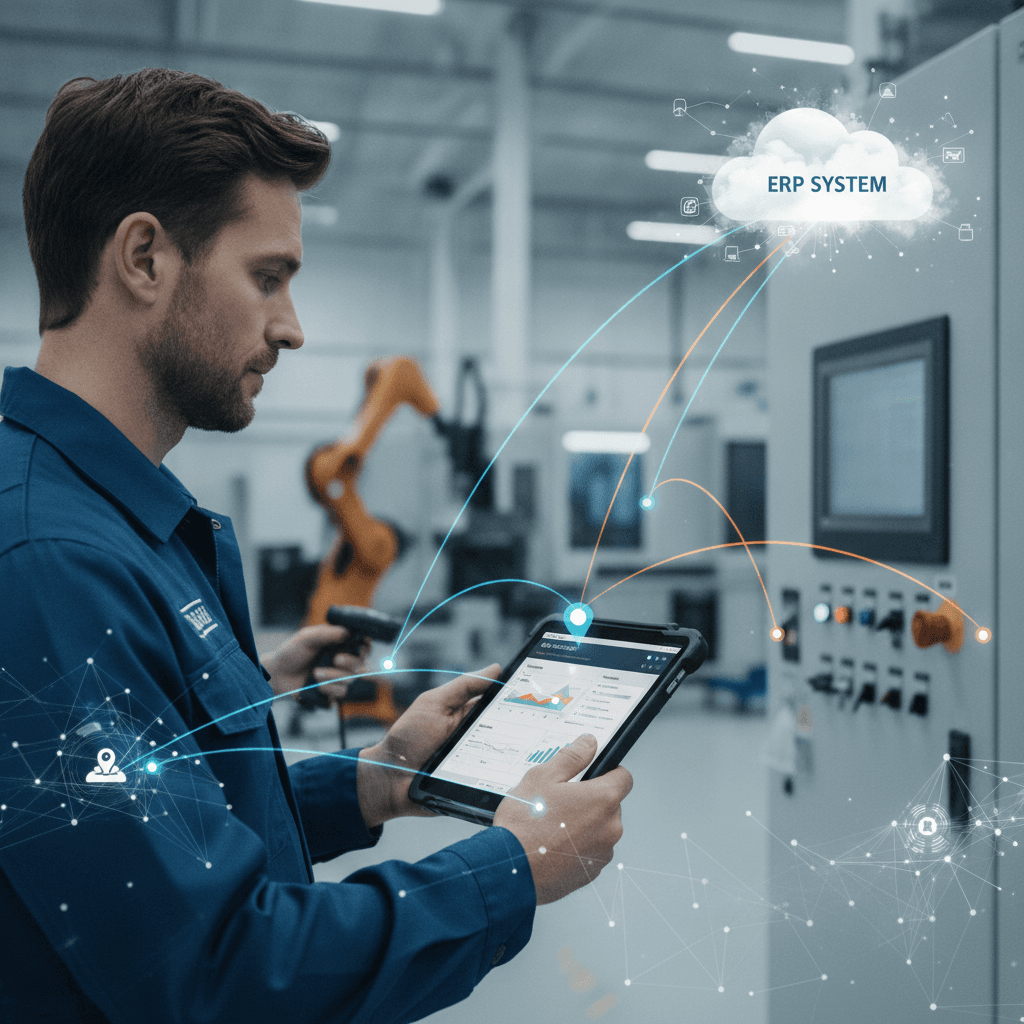
- Ensure Data Quality and Accessibility: Clean, standardized, and integrated data is paramount. A robust mobile workforce management platform can act as a central hub, collecting rich field data (proof of delivery, mobile sales orders, service updates) and seamlessly integrating it with your ERP, creating a unified data source for AI models.
Step 2: AI Model Selection & Training
Choose AI algorithms tailored to address your specific utilization challenges.
- Demand Forecasting: ML models that analyze historical sales data, seasonal trends, and external factors (e.g., promotions, weather) to predict future demand for products, especially critical for DSD and van sales.
- Dynamic Route Optimization: Algorithms that consider multiple variables (delivery windows, vehicle capacity, driver availability, traffic) to calculate the most efficient routes.
- Predictive Maintenance: ML models that analyze telematics and maintenance history to forecast equipment failures, allowing for proactive scheduling.
- Load Optimization: AI to maximize cargo space utilization based on order size, weight, and delivery sequence.
Train these models with your historical data to teach them the unique patterns and nuances of your operations.
Step 3: Workflow Automation & Mobile Integration
AI insights are only powerful if they lead to action. Integrate AI output directly into your operational workflows.
- Dispatch Systems: AI-optimized routes and schedules should feed directly into your dispatch tools.
- Scheduling Tools: Automate adjustments to service appointments or delivery windows based on real-time conditions.
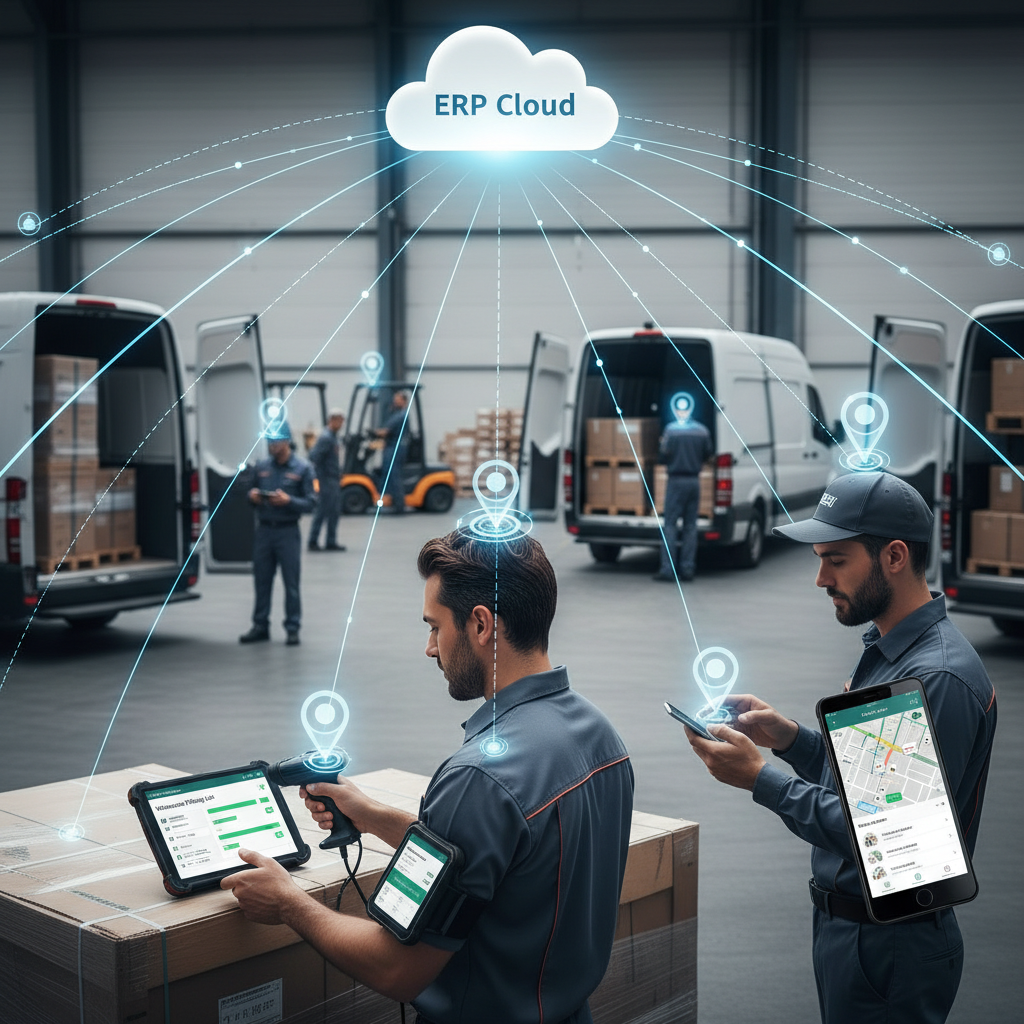
- Mobile Workforce Applications: This is a critical link. Equip your drivers and field technicians with mobile apps that provide real-time, AI-driven guidance, such as updated routes, optimized delivery sequences, or alerts about potential delays. A platform like Dynamics Mobile can deliver these insights directly to Android and iOS devices, guiding field execution and capturing real-time feedback.
Step 4: Continuous Learning & Iteration
AI models are not 'set it and forget it.' Establish feedback loops to refine their accuracy and adapt to changing conditions.
- Performance Monitoring: Continuously track the impact of AI-driven decisions on your KPIs.
- Feedback Mechanisms: Allow dispatchers, drivers, and field service technicians to provide feedback on AI-generated recommendations.
- Retraining: Periodically retrain your AI models with new data to ensure they remain relevant and accurate as your operations evolve.
Real-World Impact: AI Applications Driving Utilization
Let's look at how AI translates into tangible improvements for fleet utilization:
- Dynamic Route Optimization: Imagine a DSD fleet where routes are no longer static. AI analyzes real-time traffic, weather, and new urgent orders, instantly suggesting adjustments. A driver on a van sales route receives an alert about a major traffic jam ahead and an alternative route that saves 20 minutes and still allows them to hit all their planned stops, minimizing idle time and maximizing stops per vehicle.
- Predictive Maintenance Scheduling: Instead of reactive breakdowns, AI analyzes engine diagnostics, mileage, and vehicle age to predict when a component is likely to fail. This allows a logistics manager to schedule maintenance proactively during off-peak hours or when a vehicle is already planned for downtime, drastically reducing unplanned downtime and optimizing vehicle availability.
- Demand Forecasting & Capacity Planning: For FMCG companies, accurately predicting demand for specific products by region and time of day allows for optimal fleet sizing and resource allocation. AI helps ensure you have enough vehicles, of the right type, deployed to the right areas, preventing both over-provisioning and critical shortages.
- Load Optimization & Backhaul Matching: AI algorithms can analyze incoming orders, vehicle specifications, and available cargo space to suggest optimal loading configurations, maximizing cube utilization. For last-mile logistics or wholesale distribution, AI can also identify profitable backhaul opportunities, matching returning vehicles with available loads, turning what would have been an empty run into a revenue-generating trip.
Measuring Success & Navigating Implementation Challenges
To truly understand the impact of AI, you need clear metrics and a realistic approach to implementation.
Key Performance Indicators (KPIs) for Tracking Utilization Improvements:
- Asset Turnover Rate: How many times a vehicle is utilized within a period.
- Loaded Miles Percentage: The proportion of total miles driven with cargo.
- On-Time Delivery/Service Rates: A direct measure of operational efficiency and customer satisfaction.
- Cost Per Mile/Stop: Financial efficiency metrics.
- Vehicle Uptime: Percentage of time vehicles are available for service, reduced by proactive maintenance.
- Fuel Efficiency: Directly impacted by optimized routing and reduced idle time.
Common Pitfalls to Avoid:
- Poor Data Governance: Garbage in, garbage out. Inaccurate or inconsistent data will lead to flawed AI insights.
- Resistance to Change: Field teams (drivers, technicians) and dispatchers may be hesitant to adopt new AI-driven workflows.
- Lack of Clear Objectives: Starting an AI project without defining specific, measurable utilization goals.
- Underestimating Integration Complexity: Connecting disparate systems (telematics, ERP, mobile apps) can be challenging but is crucial for seamless operations.
Best Practices for Implementation:
- Phased Rollout: Start with a pilot project focusing on a specific challenge or a smaller segment of your fleet.
- Foster Cross-Functional Team Involvement: Engage IT, Operations, Sales, and even drivers/technicians from the outset.
- Focus on Quick Wins: Demonstrate early successes to build momentum and buy-in.
- Continuous Training & Support: Provide ongoing education for dispatchers, drivers, and field service teams on how to use and trust AI-driven tools.
The Strategic Advantage: Building a Future-Ready Fleet
AI is not just another tool; it's a cornerstone for building operational resilience, enhancing sustainability, and achieving competitive differentiation. By systematically integrating AI into your fleet operations, you move beyond reactive management to proactive optimization, ensuring your fleet is not only efficient today but also adaptable and scalable for tomorrow's challenges.
Operational Takeaway: Start with a clear, measurable problem related to your fleet utilization. Leverage your existing data assets, prioritizing data quality and seamless integration between your ERP, field operations, and AI tools. Focus on delivering actionable insights directly to your mobile workforce to drive successful, AI-powered fleet operations. The future of optimal fleet utilization is intelligent, integrated, and actively managed.
To explore how an integrated mobile workforce management platform can connect your ERP to AI-driven fleet operations and unlock superior vehicle utilization, visit Dynamics Mobile.