← Back to Insights
Field Operations

DSD Route Optimization: Best Practices for Cost Savings & Beyond

Dynamics Mobile·6 March 2026·7 min read
DSD Route Optimization: Best Practices for Cost Savings & Beyond

In the fast-paced world of Direct Store Delivery (DSD), every minute and every mile count. The logistical ballet of getting products from warehouse to hundreds of retail shelves daily presents a unique set of challenges. Without a meticulously planned and dynamically managed routing strategy, DSD operations can quickly fall victim to escalating fuel costs, missed delivery windows, stressed drivers, and ultimately, eroded profits. The good news? Strategic route optimization isn't just about cutting costs; it's a transformative imperative that elevates your entire DSD enterprise.

The Strategic Imperative of Route Optimization in DSD

Direct Store Delivery (DSD) is a critical component of many supply chains, particularly in sectors like food & beverage, pharmaceuticals, and consumer goods. Its unique complexities—such as frequent, smaller deliveries, strict time windows, specific merchandising requirements, and often unpredictable traffic—make it a challenging domain. Inefficient routing in this environment isn't merely an operational hiccup; it has profound strategic implications:

  • Eroding Profitability: Unnecessary mileage, excessive idle time, and driver overtime directly impact the bottom line.

  • Damaged Customer Relationships: Late deliveries, missed replenishment, and inconsistent service can lead to lost shelf space and customer churn.

  • Competitive Disadvantage: Competitors with optimized routes can offer better service at lower costs, gaining market share.

Route optimization isn't just about finding the shortest path; it's about orchestrating a symphony of logistics that maximizes efficiency, enhances customer trust, and secures a competitive edge for your DSD enterprise.

Unlocking Multifaceted Benefits Beyond Cost Reduction

While cost savings are often the primary driver for implementing route optimization, the benefits extend far beyond the balance sheet, touching every aspect of your DSD operation.

Significant Cost Savings

  • Fuel Consumption: Optimized routes minimize mileage, leading to substantial reductions in fuel expenditure. Even a 10-15% reduction can translate into hundreds of thousands of dollars annually for large fleets.

  • Labor Overtime: Efficient routes reduce drive times and wait times, cutting down on expensive driver overtime hours.

  • Vehicle Lifespan & Maintenance: Less wear and tear from reduced mileage and more efficient driving patterns extend vehicle life and lower maintenance costs.

Enhanced Customer Satisfaction

  • On-time Deliveries: Accurate planning ensures products arrive within specified windows, crucial for maintaining retailer relationships and product freshness.

  • Improved Service Reliability: Consistent, predictable service builds trust and strengthens partnerships with your customers.

  • Meeting Specific Delivery Windows: Route optimization accounts for unique store requirements, ensuring compliance and preventing penalties.

Increased Operational Efficiency

  • Streamlined Planning Processes: Automated route planning reduces manual effort, freeing up dispatchers and operations managers.

  • Reduced Administrative Overhead: Less time spent on conflict resolution, re-routing, and manual data entry.

  • Maximized Asset Utilization: Ensures vehicles are optimally loaded and routes are designed to make the most of each trip, reducing the need for excess fleet capacity.

Improved Driver Productivity & Morale

  • Clear, Efficient Routes: Drivers receive precise, turn-by-turn navigation, reducing stress and decision fatigue.

  • Reduced Stress: Less traffic, fewer unexpected delays, and clear schedules contribute to a better work environment.

  • Better Work-Life Balance: Predictable end times and efficient task completion allow drivers to manage their personal lives more effectively.

Sustainability & Compliance

  • Lower Carbon Emissions: Reduced mileage directly translates to a smaller carbon footprint, aligning with corporate social responsibility goals.

  • Adherence to Regulations: Ensures compliance with Hours of Service (HOS) regulations and local driving restrictions.

  • Service Level Agreement (SLA) Compliance: Proactively meets contractual delivery obligations, avoiding penalties.

Core Principles for Effective DSD Route Optimization

Achieving optimal DSD routes requires adherence to fundamental principles that leverage data, adapt to real-world conditions, and empower your field teams.

  • Data Accuracy and Integration: Route optimization is only as good as the data it uses. This includes real-time traffic updates, historical delivery times, customer-specific requirements, vehicle specifications (e.g., capacity, refrigeration), and precise order details. Integrating this data from your enterprise systems (like Microsoft Dynamics 365/BC) is paramount.

  • Dynamic vs. Static Routing: Understand when to apply each. Static routing is ideal for highly predictable, recurring routes (e.g., daily bread deliveries). Dynamic routing, however, allows for real-time adjustments based on unforeseen events like road closures, urgent customer requests, or vehicle breakdowns, ensuring maximum adaptability.

  • Geographic and Time Window Constraints: Real-world limitations must be integrated. This includes strict delivery windows (e.g., 9 AM-11 AM for a grocery store), road restrictions (e.g., bridge height limits, no-truck zones), and specific customer preferences (e.g., back door delivery only).

  • Load Balancing and Capacity Planning: Optimizing vehicle utilization involves more than just routes. It means ensuring that vehicles are loaded efficiently to maximize capacity without exceeding weight limits, and that the right vehicle type (e.g., refrigerated truck for perishables) is assigned to the appropriate route.

  • Continuous Feedback Loops: Empower your drivers with mobile tools to provide on-the-ground insights. Their feedback on difficult parking, preferred routes, or unexpected delays is invaluable for refining future route plans.

Leveraging Technology for Superior Route Planning and Execution

Modern DSD route optimization is impossible without robust, integrated technology solutions. These tools transform complex logistical challenges into manageable, efficient processes.

  • Advanced Algorithms (AI/ML): Cutting-edge solutions utilize Artificial Intelligence and Machine Learning to process vast amounts of data, predict traffic patterns, and generate optimal routes that account for hundreds of complex constraints simultaneously—far beyond human capability.

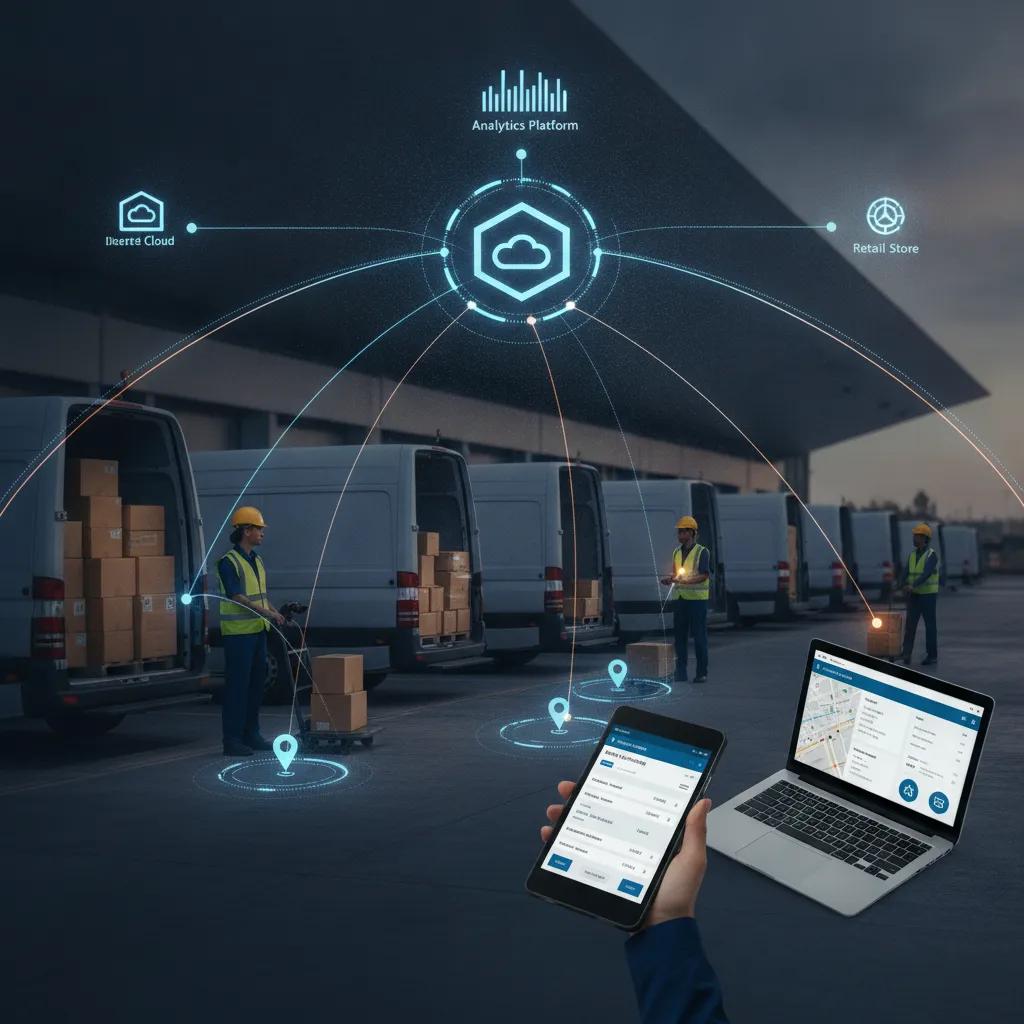
  • Real-time Visibility and Tracking: GPS and telematics provide live monitoring of your fleet. Dispatchers can see vehicle locations, progress against planned routes, and instantly identify potential delays or deviations, enabling proactive intervention.

  • Mobile Workforce Empowerment: Equipping drivers with intuitive mobile applications is crucial. These apps provide turn-by-turn navigation, enable proof of delivery (e.g., e-signatures, photo capture), facilitate real-time communication with dispatch, and allow drivers to report issues or provide feedback directly from the field. This is where platforms like Dynamics Mobile excel, providing a comprehensive mobile experience for your DSD teams.

  • Seamless Integration with Enterprise Systems: A truly effective route optimization platform doesn't operate in a silo. It must integrate seamlessly with your core enterprise systems, such as ERP (e.g., Microsoft Dynamics 365 Business Central or Finance & Operations), CRM, and Warehouse Management Systems (WMS). This ensures a holistic data flow, from order intake to inventory allocation to final delivery, minimizing manual data entry and errors. Dynamics Mobile, built on Microsoft Dynamics 365, is designed for this very integration.

  • Scalability and Flexibility: Choose solutions that can grow with your business. As your DSD operations expand, your technology must be able to handle increasing volumes, more complex routes, and a larger fleet without compromising performance.

Implementing Route Optimization: A Practical Enterprise Guide

Implementing a new route optimization strategy and technology is a significant undertaking. A structured approach ensures success and maximizes ROI.

  1. Assess Current Operations: Begin by establishing baseline metrics. Document your current average fuel costs, driver overtime, on-time delivery rates, and identify key pain points and inefficiencies in your existing routing processes.

  2. Define Clear Objectives: Set measurable, achievable goals. For example, "Reduce fuel costs by 15% within 9 months" or "Improve on-time delivery rates by 20%". These objectives will guide your implementation and allow you to track success.

  3. Phased Implementation Strategy: Adopt a gradual rollout approach. Start with a pilot program in a specific region or for a subset of your fleet. Learn from this initial phase, refine your processes, and then scale the solution across your entire DSD operation.

  4. Stakeholder Buy-in and Training: Engage all key stakeholders early. Field operations managers, IT directors, and especially your drivers, must understand the benefits and be trained effectively on new tools and processes. Comprehensive training and ongoing support are vital for adoption.

  5. Continuous Monitoring and Optimization: Route optimization is not a one-time project. Regularly review performance data against your defined objectives. Conduct A/B testing with different routing strategies and adapt your routes to changing market conditions, customer demands, and road networks.


Route optimization is no longer a luxury; it's a strategic necessity for DSD enterprises aiming for peak performance. By embracing best practices and leveraging advanced technology, you can unlock significant cost savings, elevate customer satisfaction, and empower your field workforce for sustained success.

Ready to transform your DSD operations with intelligent route optimization? Explore how Dynamics Mobile, built on Microsoft Dynamics 365/BC, can empower your field workforce and drive significant ROI.

Ready to see it in action?

Book a personalized demo with our team.

Book a Demo
DSD Route Optimization: Best Practices for Cost Savings & Beyond — Dynamics Mobile